Understanding Gym Anxiety
Gym anxiety is a complex psychological phenomenon that affects numerous individuals entering fitness facilities. It encompasses feelings of discomfort, fear, or apprehension that arise from the prospect of exercising in a public setting. This phenomenon is not exclusive to any specific demographic; rather, it can manifest among beginners, experienced gym-goers, and everyone in between. The reasons for this anxiety can be multifaceted, ranging from body image concerns to fear of judgment from others.
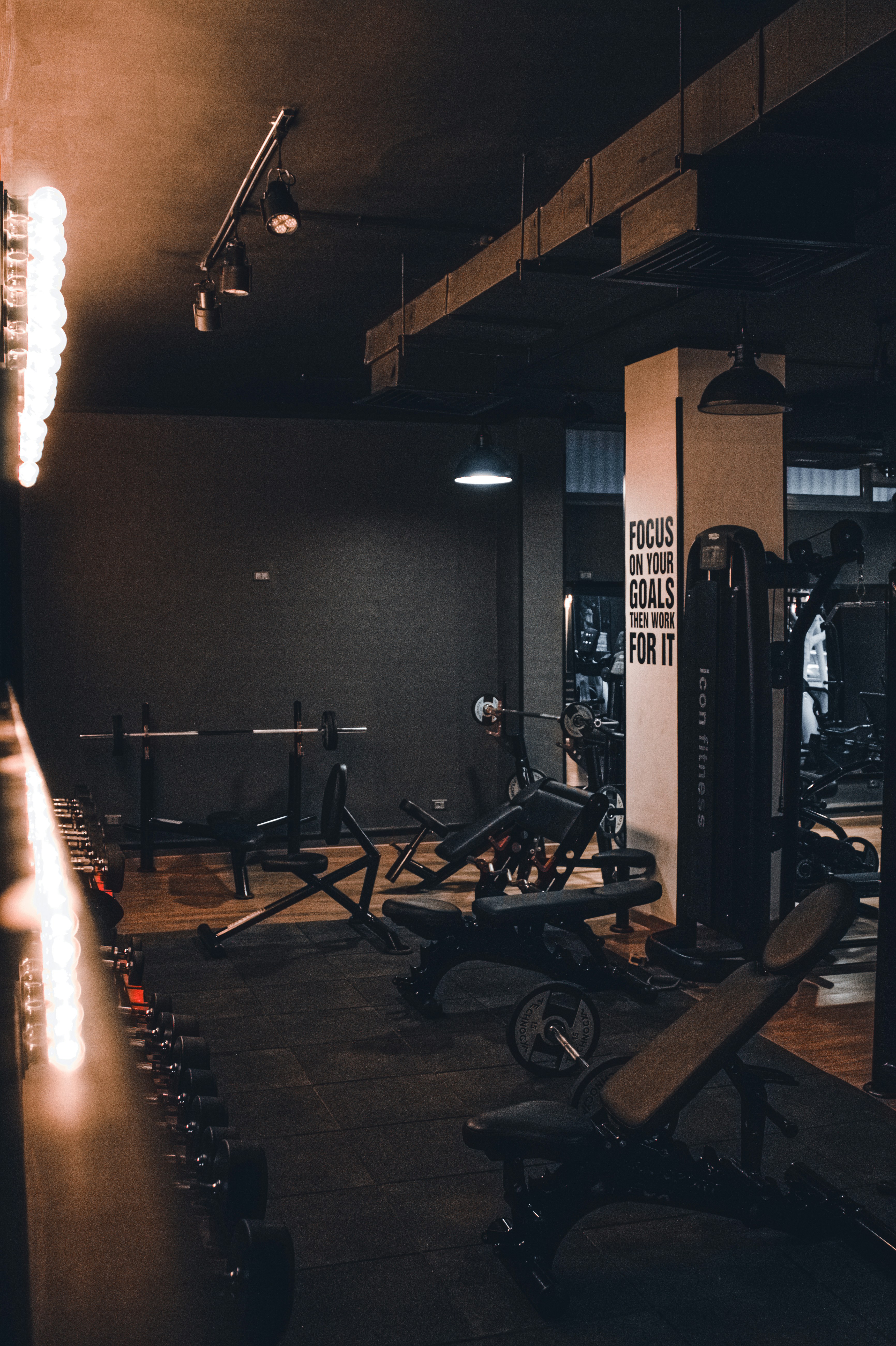
One of the primary factors contributing to gym anxiety is the overwhelming atmosphere of fitness centers. Many people may feel intimidated by the sight of seasoned athletes or the array of advanced exercise equipment. This feeling of inadequacy can be magnified by comparing oneself to others, leading to self-doubt and reluctance to engage in physical activities. Additionally, for newcomers, the gym environment can be unfamiliar, inducing stress due to uncertainty about how to use equipment properly or follow a workout regimen.
Furthermore, social factors play a significant role in the development of gym anxiety. Individuals who are more reserved or introverted might struggle to overcome the perceived expectations of social interaction inherent in a communal workout space. The fear of making mistakes in front of others can also lead to avoidance behaviors, where individuals refrain from visiting the gym altogether.
Women and certain demographic groups might experience gym anxiety differently, often due to societal pressures regarding physical appearance. Studies suggest that women, in particular, may feel heightened levels of anxiety concerning their bodies in a gym setting, influenced by societal standards of beauty and fitness. It is crucial to recognize that these emotional responses are valid and can impact an individual’s commitment to their fitness journey.
Overall, understanding gym anxiety is the first step toward addressing it. By acknowledging its existence and the factors that contribute to it, individuals can cultivate strategies to manage their emotions and foster a more positive relationship with fitness environments.
Identifying the Signs of Gym Anxiety
Gym anxiety is a phenomenon that affects many individuals, regardless of their fitness level or experience. Recognizing the signs of this anxiety can be the first step toward addressing it and fostering a healthier relationship with fitness. Below are five key indicators that someone may be experiencing gym anxiety.
Firstly, one of the most common signs is the fear of judgment. Individuals may worry excessively about how others perceive them while exercising. This concern can manifest as an intense focus on appearance or workout performance, which may prevent individuals from enjoying their time at the gym. Such feelings can lead to a sense of inadequacy, making the gym environment feel intimidating rather than motivating.
Secondly, avoidance behavior is another significant sign of gym anxiety. Those who experience anxiety may find themselves skipping gym visits or opting for home workouts instead. The mere thought of heading to the gym can induce stress, leading them to seek alternative methods of exercise that feel safer or more comfortable.
A third indication includes feeling overwhelmed in the gym setting. A bustling and crowded gym can heighten feelings of anxiety, particularly for those who are new to the environment. The combination of unfamiliar equipment and busy spaces may lead to a sensory overload, making it challenging for individuals to complete their workouts effectively.
In addition, individuals may also experience physical symptoms of anxiety at the gym, such as increased heart rate, sweating, or trembling. These symptoms can create a cycle of self-consciousness that reinforces their reluctance to engage in activities typically enjoyed.
Lastly, comparing oneself to others is a leading factor in gym anxiety. Social media can amplify these comparisons, as individuals may judge their progress against others, leading to feelings of inadequacy and discouragement. Recognizing these signs is crucial, as it allows individuals to realize that they are not alone in their experiences and that there are constructive methods to address their gym anxiety.
The Benefits of At-Home Workouts
Engaging in workout routines at home presents numerous advantages for individuals experiencing gym anxiety. One of the primary benefits is the reduction of stress associated with traditional gym environments. Many people feel intimidated by the presence of others, particularly in a fitness setting where they may perceive judgment or scrutiny. Exercising from the comfort of home eliminates this social pressure, creating a space where individuals can focus solely on their own fitness journey.
Additionally, at-home workouts contribute significantly to building self-confidence. In an environment free from external evaluation, individuals can explore different exercises and routines at their own pace. This gradual acclimatization to various workout styles and intensities allows for personal growth. Over time, as individuals become more comfortable and proficient in their movements, their confidence in their abilities naturally increases.
An important aspect of exercising at home is the convenience it offers. Without the need to commute to a gym, individuals can fit workouts into their schedules more easily. This convenience often results in more consistent exercise habits, as people can choose times that best suit their lifestyle, whether early morning, during lunch breaks, or late at night. Moreover, at-home workouts can be tailored to personal preferences, be it through online classes, instructional videos, or self-designed routines, enhancing the enjoyment of physical activity.
Another considerable advantage is the ability to create a customized environment. Individuals can modify their surroundings to suit their preferences, whether that means choosing their favorite music, adjusting lighting, or using specific equipment. This personalization deepens the connection to the workout experience itself, making it more enjoyable and motivating.
In conclusion, at-home workouts offer a valuable solution for those facing gym anxiety. By providing a stress-free, empowering, and adaptable exercise environment, individuals can effectively pursue their fitness goals while also cultivating their self-confidence and overall well-being.
Effective At-Home Workout Routines to Combat Gym Anxiety
Many individuals experience gym anxiety, which can hinder their fitness journey. However, at-home workouts offer a flexible and comfortable alternative, allowing one to exercise without the stress of a crowded gym environment. By adopting effective at-home workout routines, individuals can enhance their confidence and maintain a consistent exercise regimen.
One popular at-home exercise is bodyweight training. This form of workout employs exercises like push-ups, squats, and lunges, requiring no equipment and catering to all fitness levels. Start with a 20-minute routine focusing on these exercises, performing each for 30 seconds followed by a 15-second rest. Gradually increase the number of repetitions or the duration to match your growing strength.
For those looking to enhance their flexibility and core strength, yoga is a great option. Accessible through numerous online classes, yoga allows individuals to practice at their own pace. It’s recommended to dedicate at least 30 minutes a few times a week to improve both physical health and mental well-being. Simple poses such as Downward Dog and Warrior I can be easily incorporated into one’s routine and require no additional equipment.
If you’re interested in a more diverse approach, consider high-intensity interval training (HIIT). This method involves short bursts of intense exercise followed by brief recovery periods. HIIT can be performed using just your body weight or with minimal equipment, such as dumbbells or resistance bands. A basic HIIT routine might include 20 seconds of jump squats, 10 seconds of rest, followed by mountain climbers and burpees.
To ensure these at-home workouts effectively meet individual needs, it’s crucial to create a personalized fitness plan. Evaluate your current fitness level, preferences, and goals to design a schedule that includes a mix of strength training, cardiovascular workouts, and flexibility exercises. This holistic approach not only combat gym anxiety but enriches the overall fitness experience.